
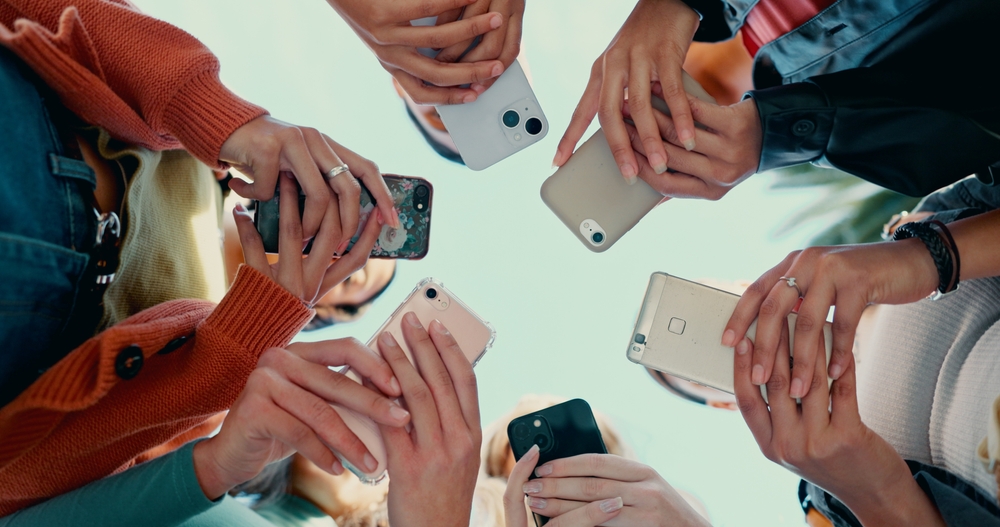
Scroll through any social media feed, and you’ll see endless snapshots of confidence — selfies, success stories, and highlight reels. But in a world built on likes, follows, and filters, you might wonder: Does social media make us more narcissistic, or simply reveal what was already there?
Narcissism exists on a spectrum, ranging from healthy self-confidence to Narcissistic Personality Disorder (NPD), a clinical condition defined by a pervasive pattern of grandiosity, a constant need for admiration, and a lack of empathy. Somewhere in between lies the complicated intersection of self-image, validation, and digital culture.
Understanding Narcissism in the Digital Age
At its core, narcissism involves admiration-seeking, inflated self-importance, and difficulty recognizing the needs of others. But not all narcissism is unhealthy — a degree of self-esteem and ambition can motivate success and resilience.
The challenge arises when self-worth depends entirely on external validation. Social media doesn’t create narcissism, but it does amplify it. Platforms reward visibility, attention, and performance — making traits like self-promotion and image control more visible (and sometimes more profitable) than ever.
How Social Media Reinforces Narcissistic Traits
Digital platforms act as feedback loops. The more engagement a post receives, the more likely that behavior is repeated. Common patterns include:
- Validation culture: Likes, comments, and shares deliver quick dopamine hits that can temporarily boost self-worth.
- Curated perfection: Highlight reels replace honesty, masking struggle behind filters and polish.
- Follower counts: Popularity becomes a metric for self-esteem.
- Attention-seeking posts: Exaggerated or emotionally charged updates invite reassurance or admiration.
As The Social Dilemma documentary explored, these apps are designed to keep us seeking attention — not just from others, but from the platforms themselves. And while they promise connection, unhealthy attachment to them often leaves people feeling anxious, self-conscious, and disconnected from their real-world relationships.
Types of Narcissism on Social Media
Narcissistic traits can take different forms online:
- Overt narcissism: Bold self-promotion, bragging, or dominance-seeking posts.
- Covert narcissism: Subtler behaviors such as self-pity, vague complaints, or posts fishing for reassurance.
- Communal narcissism: Performing generosity or virtue to gain admiration — the “humblebrag” in the name of helping others.
Each reflects the same underlying need: to be seen, validated, and admired.
Research on Social Media and Narcissism
Studies have found links between frequent use of social platforms like Instagram, Facebook, and TikTok and higher levels of self-focused posting, comparison, and sensitivity to feedback. However, researchers emphasize correlation, not causation. That means social media doesn’t directly cause narcissism, but it can create an environment where narcissistic traits are rewarded and reinforced.
Some users may experience boosts in self-confidence and community, while others fall into cycles of comparison and insecurity. The difference often lies in intent and self-awareness: Are you sharing to connect with others, or to be validated by them?
The Toll on Mental Health
Excessive social media use has been associated with increased anxiety, depression, and feelings of inadequacy, especially among younger users. Over time, this constant comparison can lead to:
- Dependence on external validation
- Strained relationships and reduced empathy
- Feelings of emptiness or low self-worth
When value becomes tied to likes and comments, it’s easy to forget that self-esteem doesn’t need an audience.
Healthy vs. Unhealthy Use of Social Media
Social media isn’t inherently harmful. In moderation, it can foster creativity, learning, and genuine connection. But when it shifts from a tool to a compulsion, that’s a red flag.
Warning signs of unhealthy use include:
- Feeling anxious or irritable if you can’t check your accounts
- Constantly comparing your life with others’ highlight reels
- Posting primarily for validation rather than connection
Awareness is key. Before posting, a quick self-check on what you’re doing and why you’re doing it can make all the difference.
Managing Narcissistic Tendencies Online
A healthy relationship with social media starts with balance and intention. Consider:
- Setting boundaries: Use built-in screen-time limits or apps like Freedom or StayFree.
- Reflecting before posting: Pause to consider your motivation and authenticity.
- Building self-esteem offline: Pursue hobbies, exercise, or in-person relationships that reinforce self-worth beyond screens.
- Curating your feed: Follow accounts that inspire or educate you, not those that trigger comparison or self-doubt.
Mindfulness and conscious use can help turn social media from a source of stress into a space for healthy self-expression.
Treatment and Support
If your social media habits or need for validation feel hard to control — or if relationships are suffering — professional support can help.
Psychotherapy is the primary treatment for narcissistic patterns and NPD. Evidence-based approaches such as cognitive behavioral therapy (CBT), schema therapy, and psychodynamic therapy help you build realistic self-awareness, strengthen empathy, and develop healthier coping strategies.
Group therapy can also foster connection and accountability, while digital wellness coaching and mindfulness practices can help restore balance between online and offline life.
Although there are no medications specifically for NPD, treatment for co-occurring anxiety or depression may be recommended as part of a comprehensive care plan.
Narcissism and Social Media: The Bottom Line
Social media isn’t the problem, but how we use it is. When our self-image becomes performance-driven, it can erode confidence and connection. By using social media intentionally, setting healthy boundaries, and building a sense of worth rooted in real life, you can keep your reflection grounded in authenticity, not in algorithms.
If you are struggling with self-esteem, social media stress, or concerns related to narcissistic behaviors, Park Psychological Services can support you in building healthier patterns or addressing self-image concerns. Contact us today to learn more about navigating the emotional impact of social media and strengthening your sense of well-being — online and off.
Sources:
helplinefaqs.nami.org/article/264-how-do-i-get-help-support-for-narcissistic-personality-disorder?
psychcentral.com/disorders/narcissistic-personality-disorder/treatment?